External Cladding
External Wall Cladding
 ABBEY External wall cladding is a low-cost, affordable method of improving the exterior look of your house.
The most popular forms of external cladding are Vinyl Cladding and Aluminium Cladding.
ABBEY’s external cladding will weatherproof your home with very low maintenance costs.

We Recommend ABBEY Vinyl Cladding
- Fire Retardant, Self-Extinguishing
- High UV Retardant
- Impact resistance, Cyclone-rated
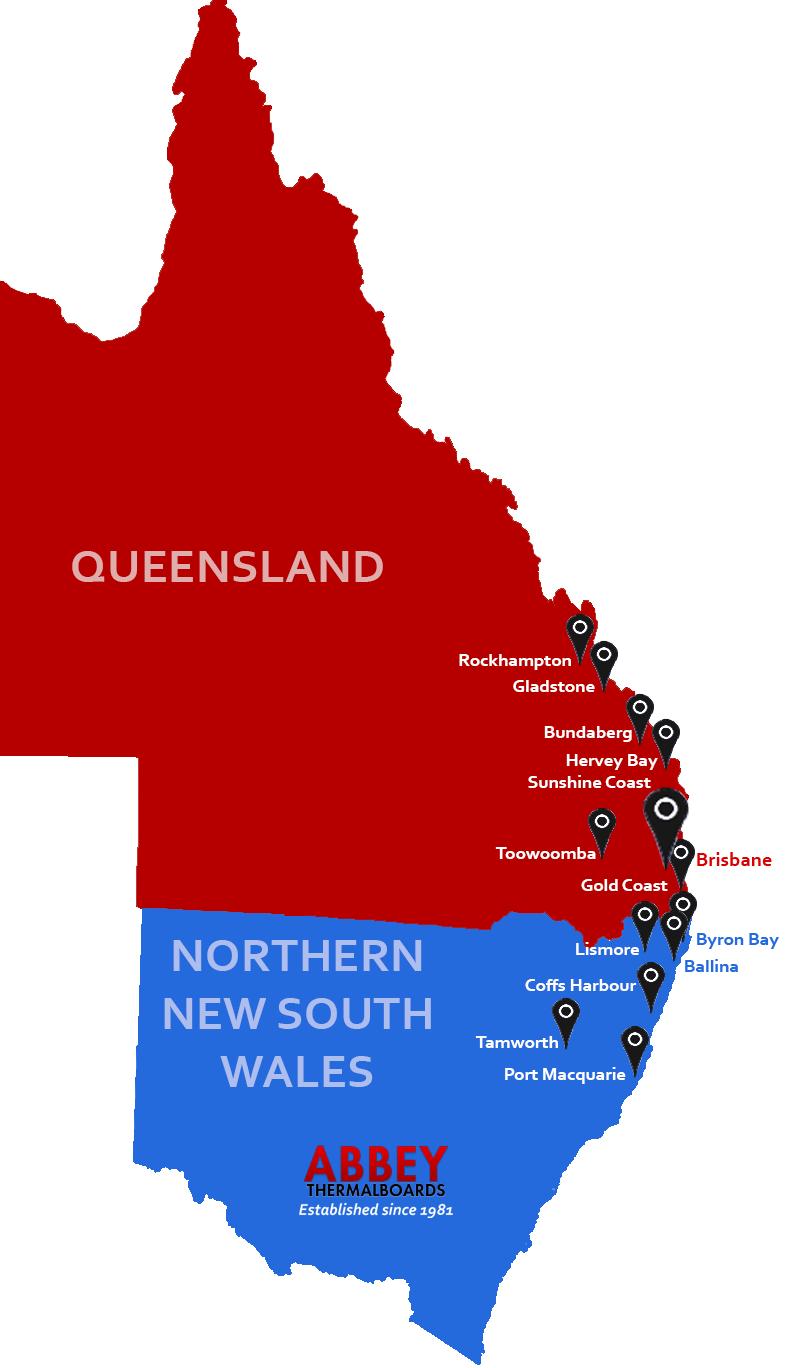
- Suitable for weather in Queensland and Northern NSW
- Insulates well to improve Energy Efficiency
- Available in long lengths
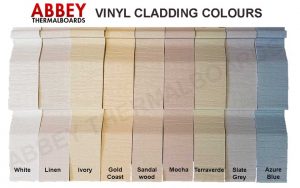
- Wide range of colours and concealed fittings
- Timeless, classic look

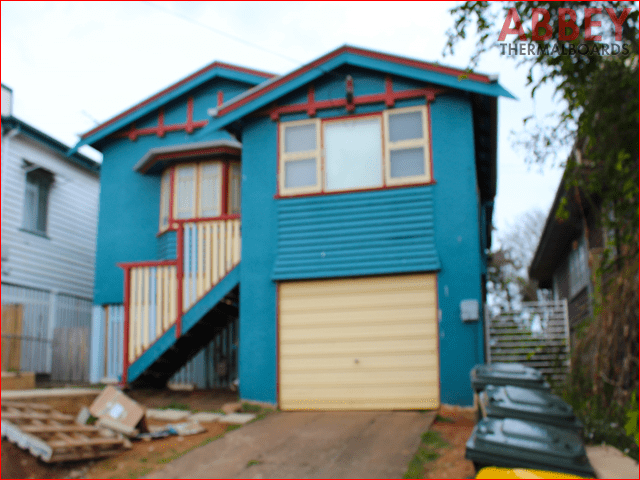
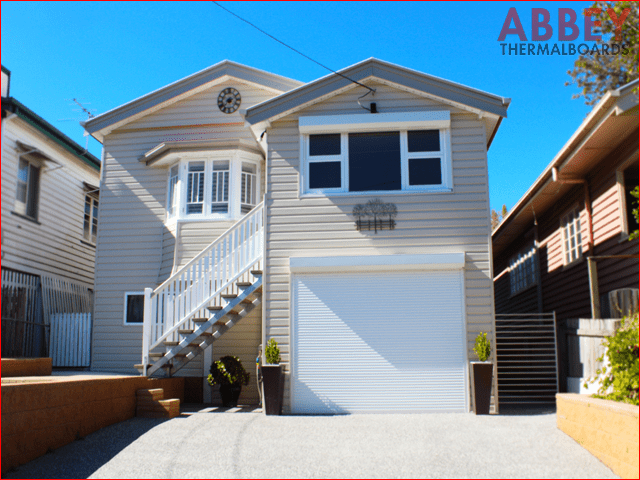
External Wall Cladding that IMPROVES Building Exteriors
ABBEY Cladding is perfect for most buildings and ABBEY Vinyl Cladding comes with a 50 year warranty.
Our Brisbane cladding factory offers the largest variety of Vinyl or Aluminium cladding for any home, business or community building.
Choose from a wide range of colours to stand out and impress your customers.
To transform your business or office space exterior,
Get in touch with the Cladding professionals at ABBEY
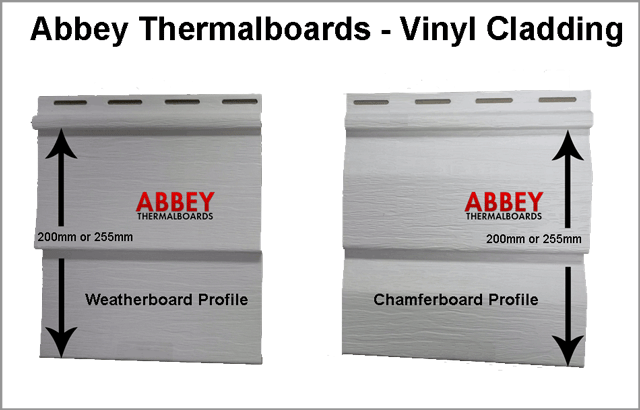
ABBEY External Wall Vinyl Cladding
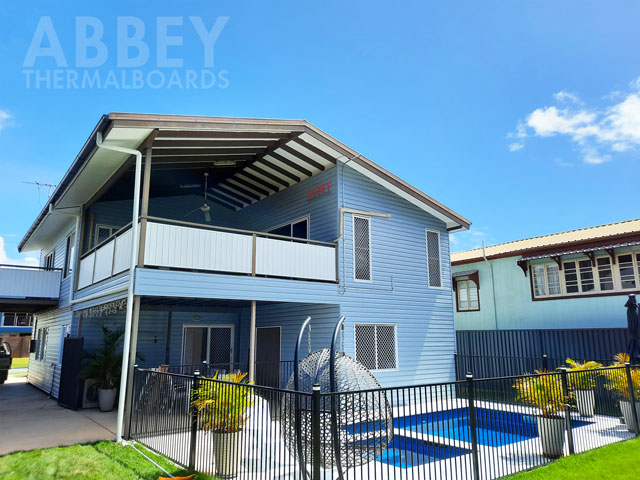
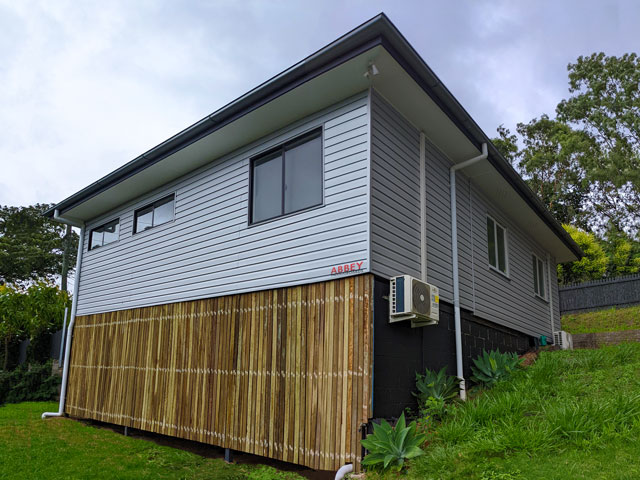
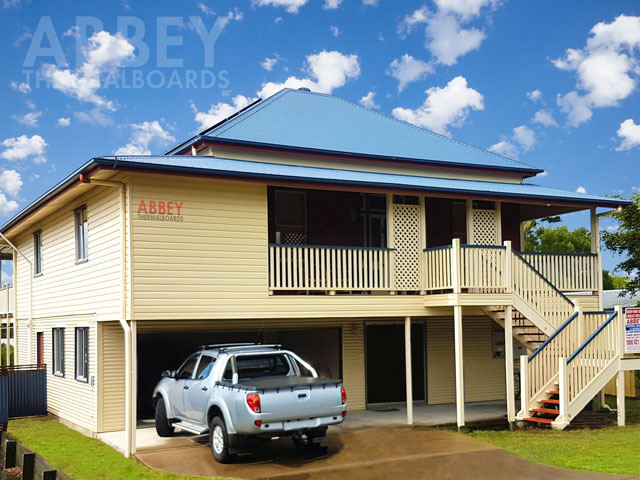
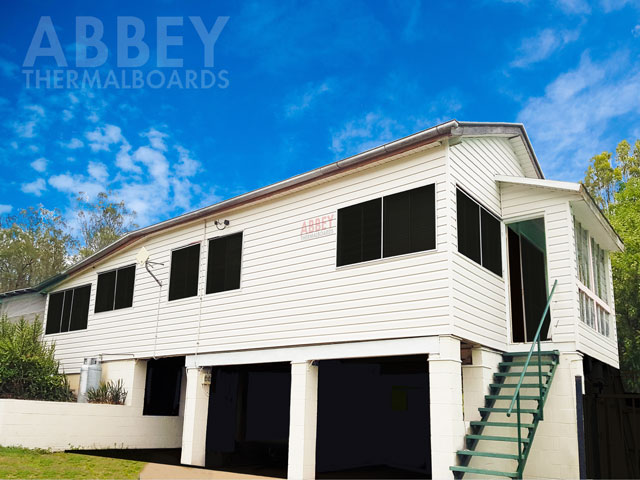
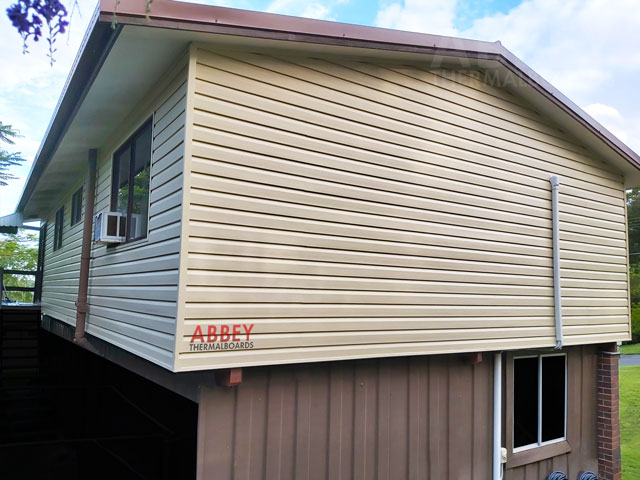
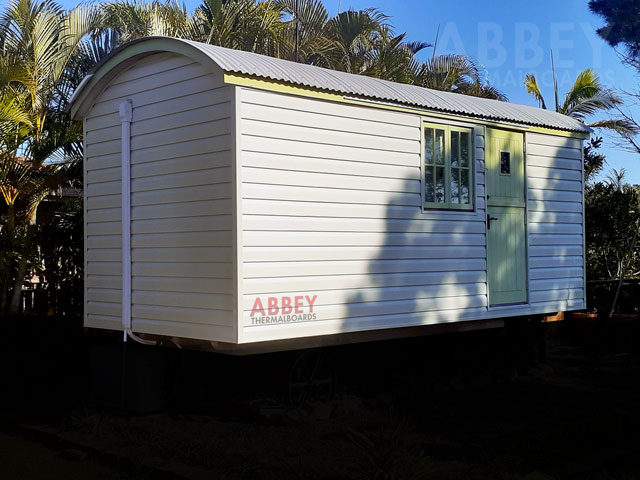
Transform your home exterior with ABBEY Vinyl Cladding